


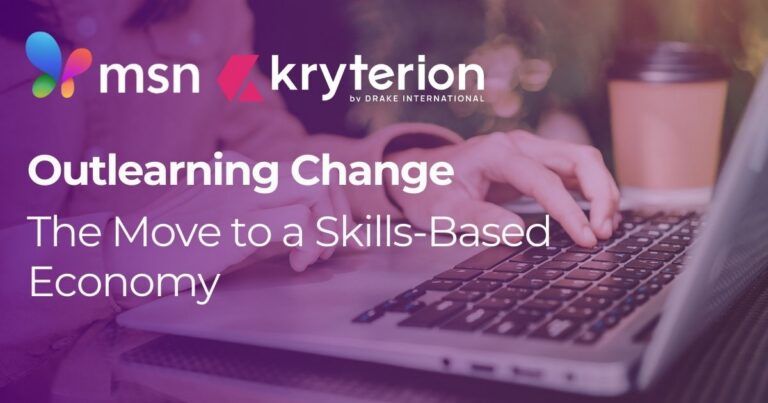
In a labor market defined by persistent shortages and rapid AI integration, Canadian HR leaders are shifting their focus from traditional credentials to verifiable, job-ready skills. A recent feature, “How HR Teams Can Outlearn Change,” highlights that with 44% of worker skills expected to be outdated by 2027, organizations must transition to a skills-based hiring and retention model.
The Strategy of Job Deconstruction
A key component of this shift is the “deconstruction” of traditional roles. By breaking jobs into specific tasks, businesses can clearly define which functions are human-led, AI-augmented, or fully automated.
The article features insights from Dr. Leslie Thomas, Chief Psychometric Officer at Kryterion, whose research underscores the necessity of this granular approach for sustainable AI adoption:
“To effectively integrate AI, businesses will need to deconstruct traditional job roles into their component tasks and associated skills in order to clearly identify opportunities for automation and augmentation for today and in the future.” — Dr. Leslie Thomas, Kryterion
Verifiable Capability as the New Standard
To keep pace, HR teams are implementing skills taxonomy frameworks to standardize competencies. This allows for more targeted professional development and objective, assessment-driven hiring. By utilizing high-stakes assessments, companies can ensure candidates possess the specific, verifiable capabilities needed for modern workflows.
Ultimately, 2026 is the year where human judgment and collaborative dynamics become the ultimate differentiator. As Kryterion continues to advocate, the organizations that outlearn change by prioritizing proven skills and human-centric governance will hold the competitive edge.