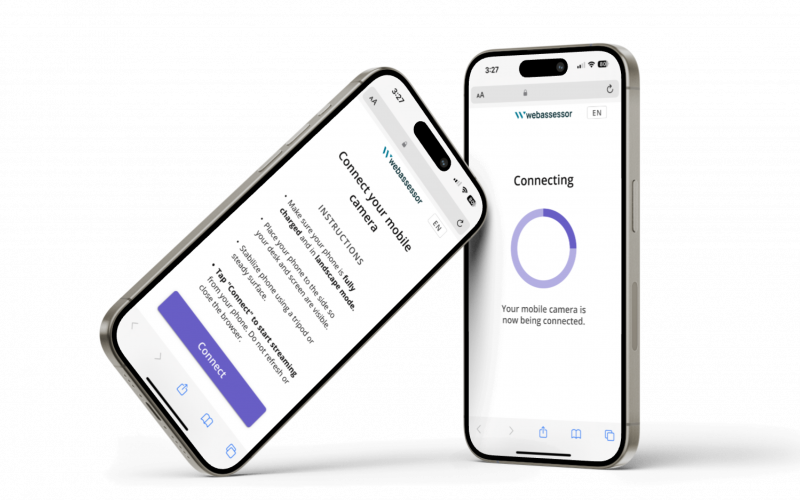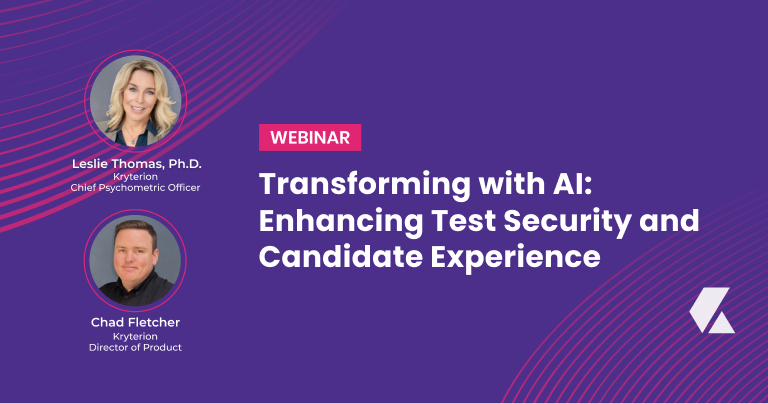

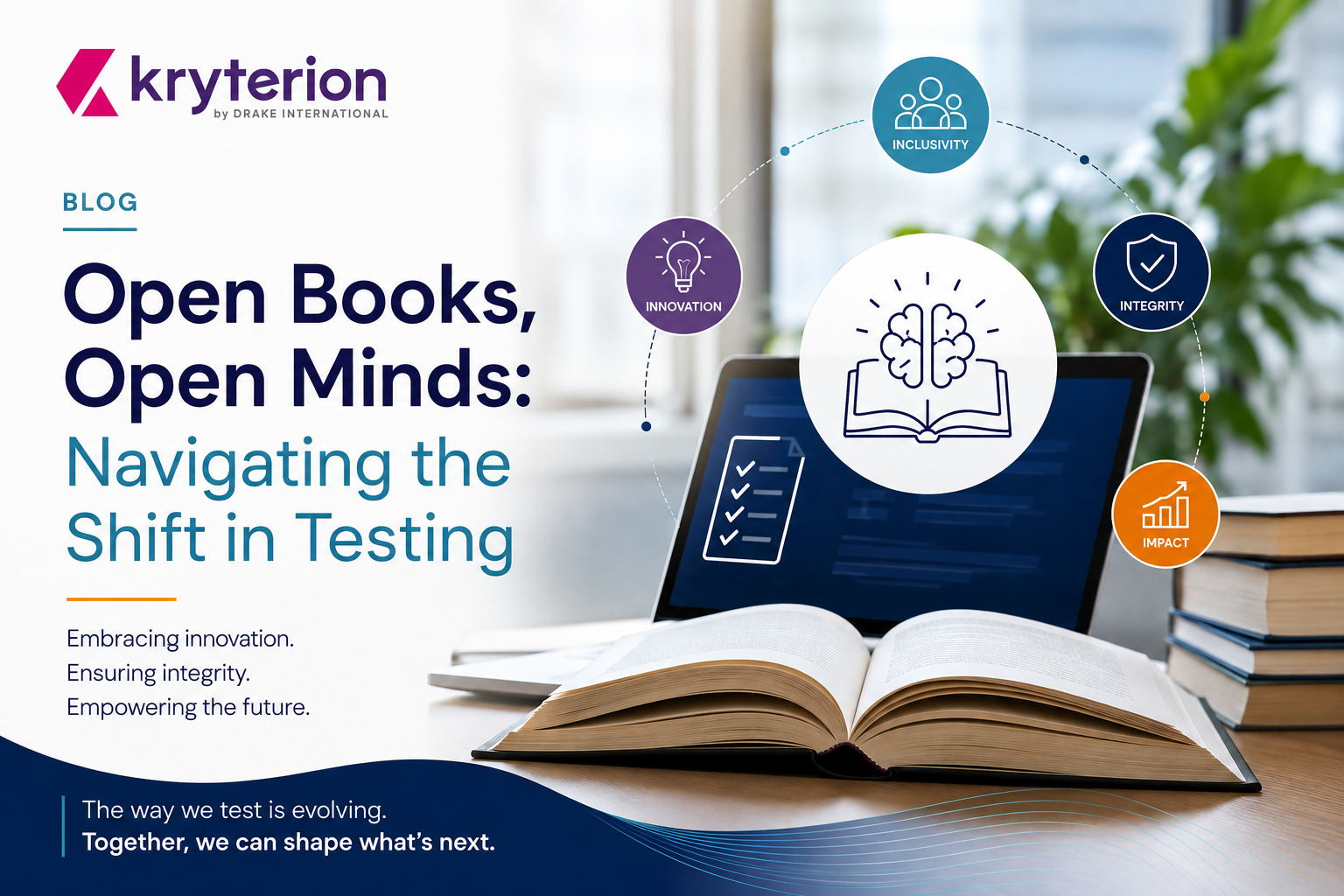


At Kryterion, we are committed to continuously improving the candidate experience. Most recently, we created several new options for simplifying the candidate pre-check process incorporating AI technology. Our AI-guided processes for candidate ID pre-check and room pan produce powerful benefits:

- Solutions
-
-
-
-
Talk to an Expert
Our platform, solutions, and services are perfect for building modern credentialing programs. Let us help you get off to a flying start.
-
-
- Use Cases
- Healthcare
-
-
-
Talk to an Expert
Our platform, solutions, and services are perfect for building modern credentialing programs. Let us help you get off to a flying start.
-
- Industries We Serve
- Our Partners
- Resources
-
-
-
-
-
-
Talk to an Expert
Our platform, solutions, and services are perfect for building modern credentialing programs. Let us help you get off to a flying start.
-
-